Community Seed Selection and Regional Adaptation - 2025 Grower Report
As part of a Southern SARE Research and Education grant, Utopian Seed Project is working with farmers across the Southeast to grow genetically diverse seed mixes as part of their farm operations. In 2025, over 150 growers signed up and received a crop type of their choice. Through crop-cohort WhatsApp groups, the cohorts have been able to stay in touch with other growers and ask questions, share experiences, and post photos. At the end of the season, Utopian Seed Project sent out a grower survey, and at the beginning of 2026 Utopian Seed Project hosted crop-cohort zoom check-ins. We are interested in broad grower experience as we try to understand if high levels of genetic diversity can work in farm operations, what the benefits and challenges are, and what we can do to support growers in adopting more diversity.
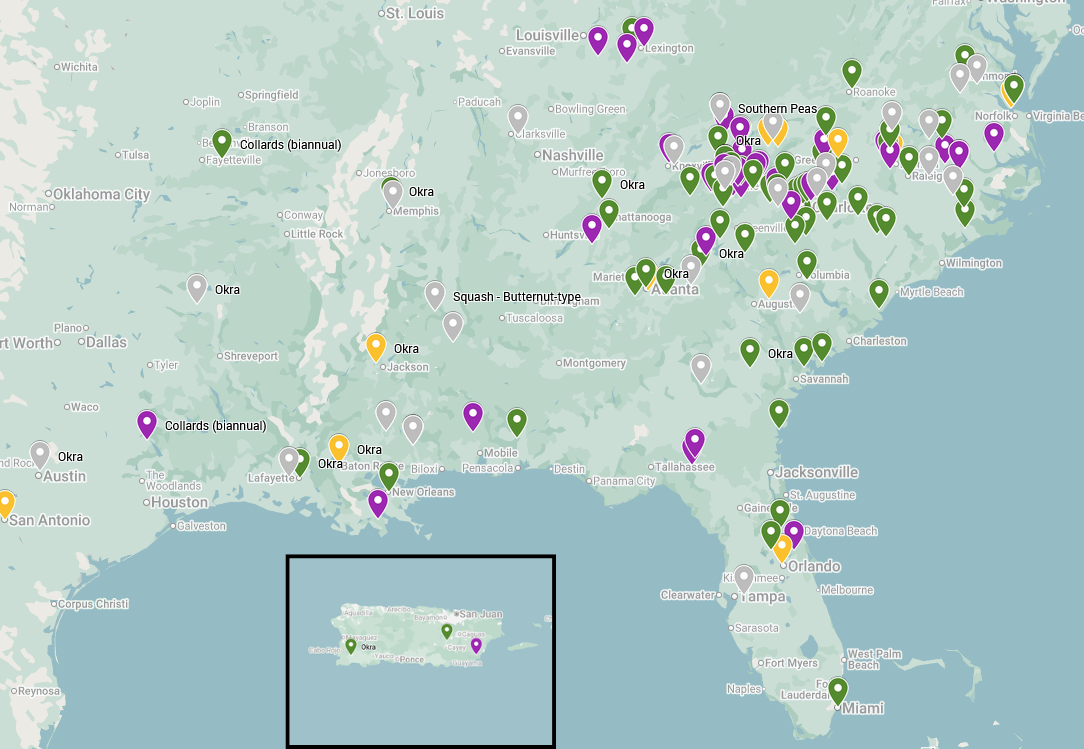
This map shows the spread of folks who signed up to the project.
Going2Seed also hosted three of our farmers to discuss the project:
Grower Report
Total 2025 end-of-season survey respondents: 79 grower responses across 5 crop types:
Ultracross Okra 2.0
Ultracross Collards
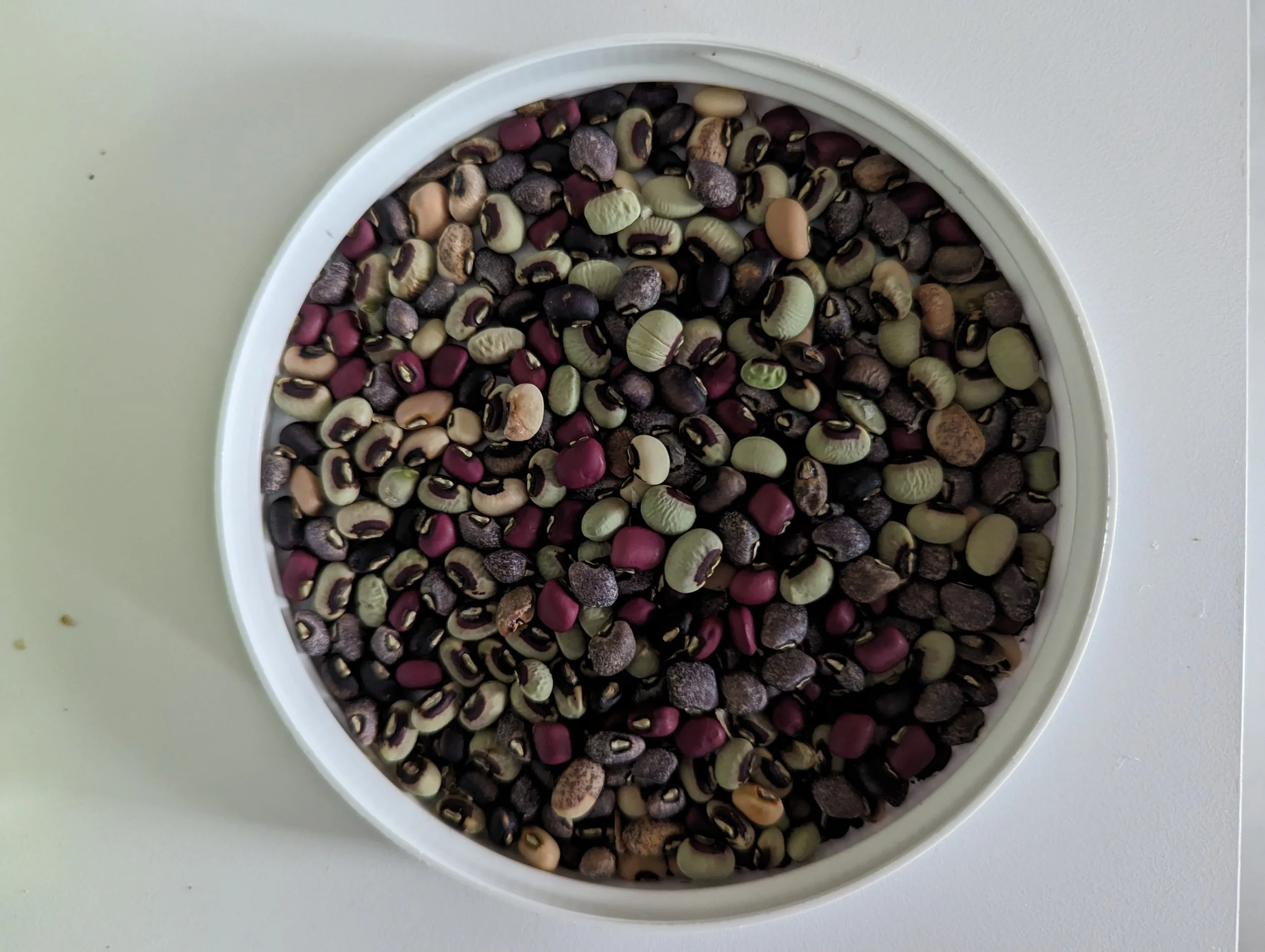
Magic Beans
Promiscuous Peas
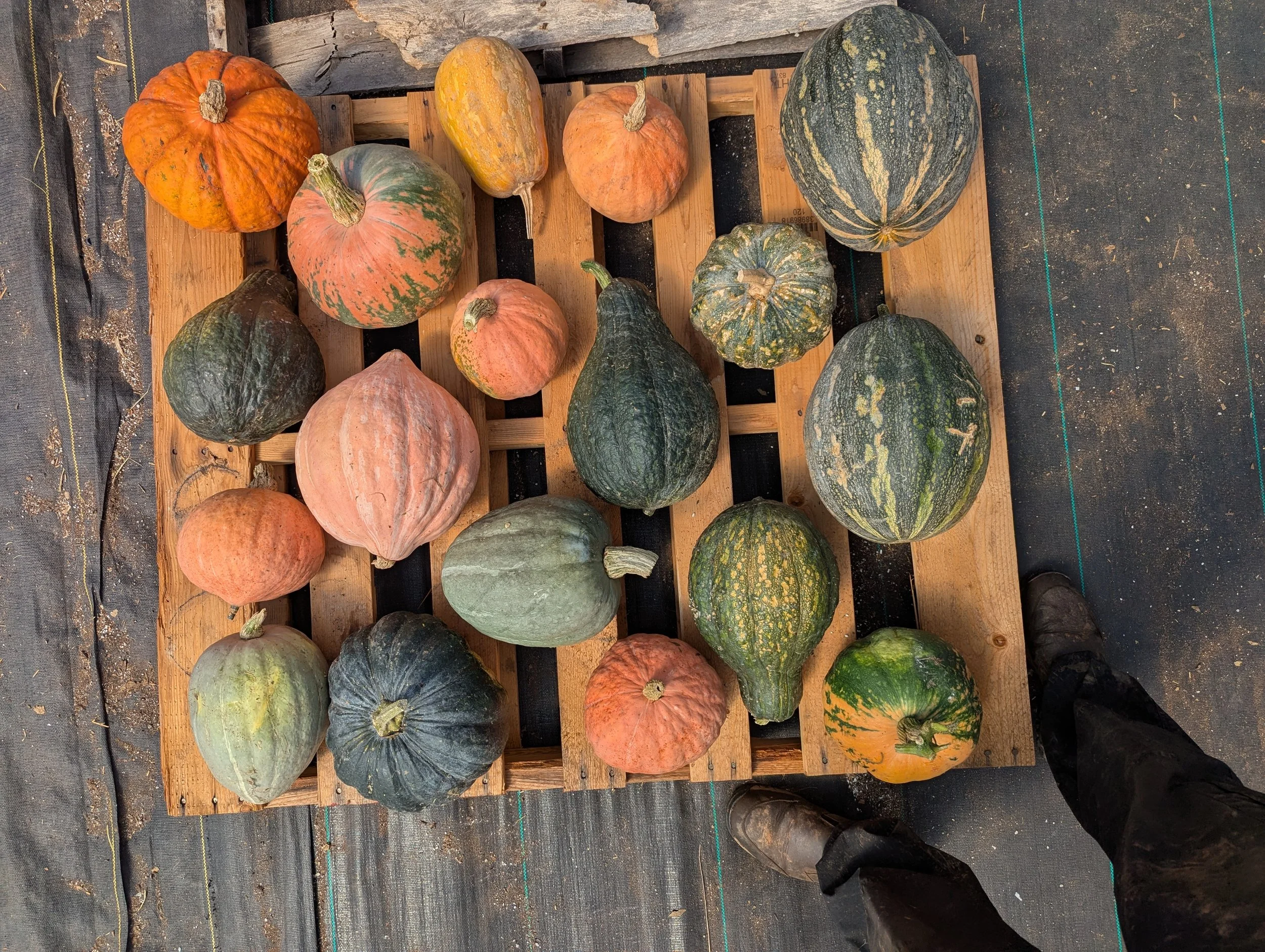
Maxima Squash Mix
Geographic range: Southeast & Mid-Atlantic (zones 7–11b), including TN, NC, SC, KY, FL, GA, VA, WV, PR
The overwhelming majority is committed to growing again in 2026
Snapshot
Successful crop grown in 2025: ~80–85%
Successful seed saving: ~70–75%
Crop failures: ~15–20%, largely due to:
Extreme weather (heat, drought, rain)
Deer, rodents, insects
Timing/spacing/infrastructure constraints
Cross-Cohort Themes
Diversity Was The Primary Strength
Growers repeatedly highlighted:
Visual diversity (colors, shapes, sizes)
Genetic resilience under stress
Strong educational and storytelling value
Increased community engagement and curiosity
Chelsea Askew, Georgia: “Having so much diversity to observe and select amongst… the fields just feel more resilient.”
Dylan Lunney, Puerto Rico: “If we only cared about quantity, we’d only grow the white beans, but we’re much more interested in the exotic colors and having unique produce.”
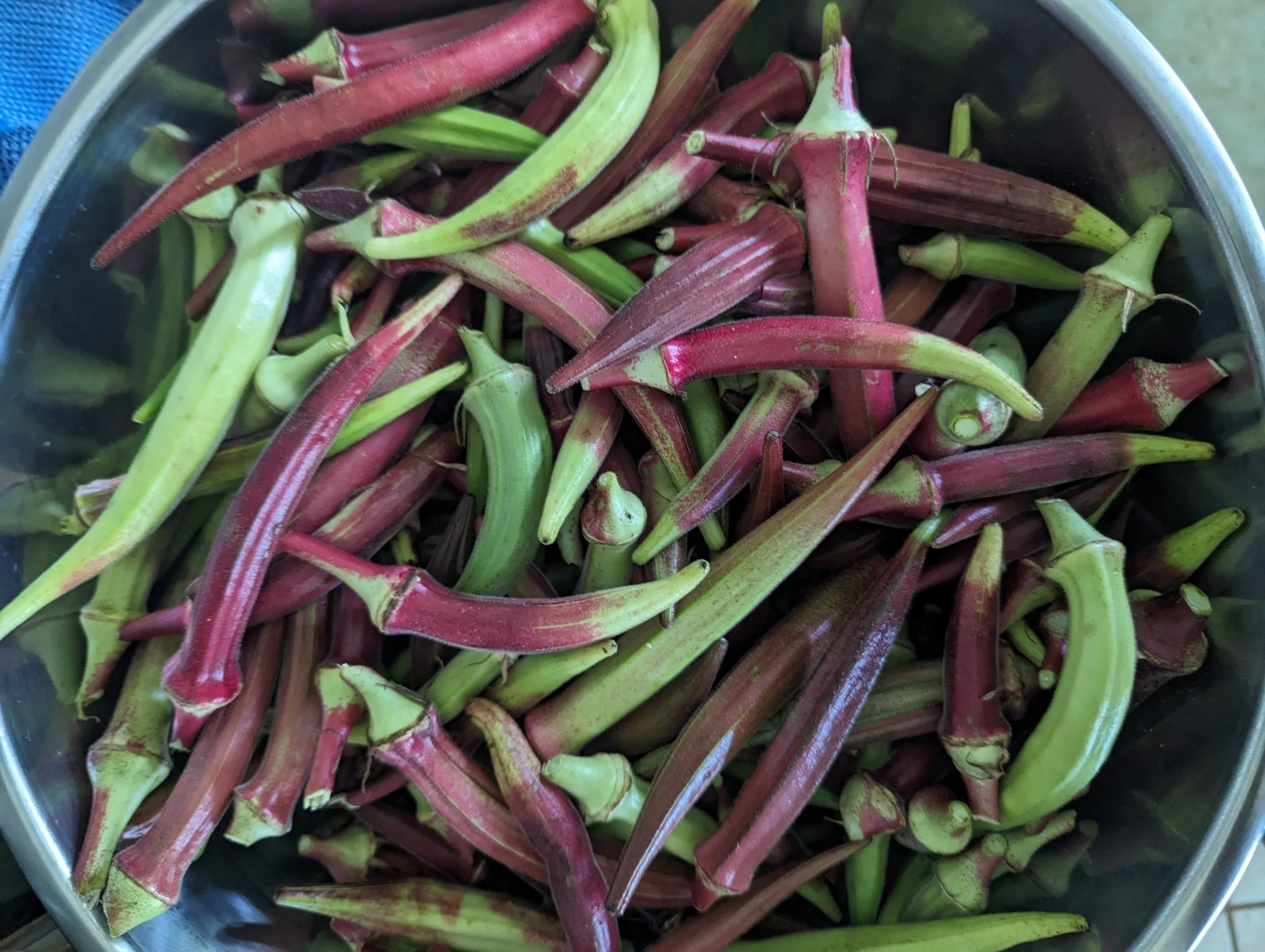
Tiffany Schultz, North Carolina: “It’s always astounding how drastically different plants can look while all being ‘okra.’”
Resilience to Climate Extremes
Across regions, growers reported:
Strong performance during heat waves, drought, excess rain, and poor soils
Mixed phenotypes meant some plants always succeeded
Compared favorably to standard commercial varieties
This was especially true for:
Ultracross Okra
Promiscuous Peas
Magic Beans
Kristina Guidroz, Louisiana: “Even on days well over 100 degrees, the plants remained lush.”
Aerhealle Chace, North Carolina: “Selecting for more resistant, better-suited varieties for our community and climate is thrilling.”
Ben Geiger, North Carolina: “The overall resilience of the mix was incredible.”
Seed Saving Was Generally Accessible
Most growers found seed saving easy or easier than expected
Okra, peas, and beans integrated well into the existing workflow
Seed saving helped reframe “missed harvests” as successes
Challenges included:
Knowing when to stop harvesting for eating and switch to seed
Tracking selections without a clear rubric
Timing seed maturity during busy farm periods
Kristina Guidroz, Louisiana: “Seed saving is one of my favorite parts of growing food.”
Katie Denman, North Carolina: “Selecting specific traits and saving seed feels like an important opportunity for creating a more resilient food system.”
Cameron Terry, Virginia: “We saved seed from the individuals that were producing marketable fruit.”
Education & Community Were Major Outcomes
Participants consistently cited:
WhatsApp / group chats are highly valuable [Peer to Peer]
Learning from growers in other regions
Increased confidence as seed stewards
Strong alignment with food sovereignty & climate resilience
Sal Dockery, North Carolina: “Guests really loved seeing all the genetic diversity.”
Madison McCann, North Carolina: “It was a great talking point… about locally grown seeds and climate adaptations.”
Crop-Specific Insights
Ultracross Okra
Strengths
Exceptional vigor and yield
Wide color and pod diversity
Marketable and highly attractive
Extremely easy seed saving
Strong consumer interest
Challenges
Tall plants made harvesting harder
Some pods went woody quickly
Pest pressure (aphids, stink bugs, leaf hoppers, deer)
Market Reception
Very strong (fresh, pickled, fermented, decorative)
Diversity increased sales and engagement
Sheena Ward, Georgia: “This crop grew really well and outperformed my Clemson spineless crop.”
Cameron Terry, Virginia: “The most interesting individuals are probably the most useless for commercial production.”
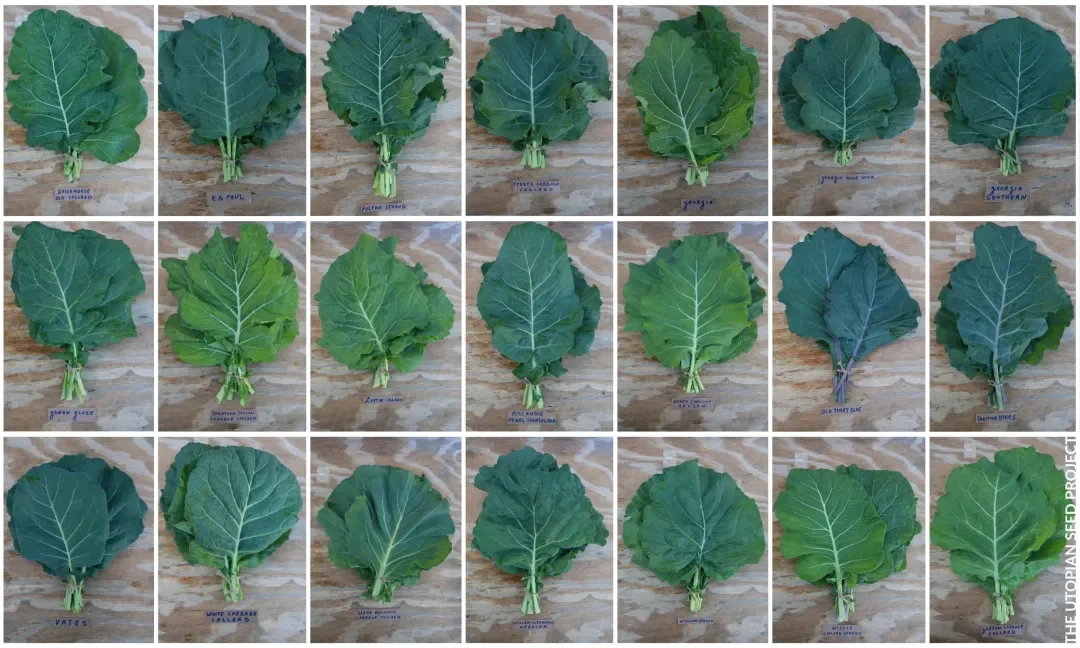
Ultracross Collards
Strengths
Heat tolerance and overwintering potential
Beautiful color variation
Tender texture and strong flavor
Good customer response
Challenges
Pest pressure (loopers, aphids, moths)
Seed saving is delayed to the following season
Bunching mixed leaf shapes for market
Monica Gowan, North Carolina: “It was a great success… from starting the seeds to watching them grow and enjoying them as food.”
Nicole Soteropoulos, Kentucky: “Growing brassicas is always very challenging because of the pest pressure.”
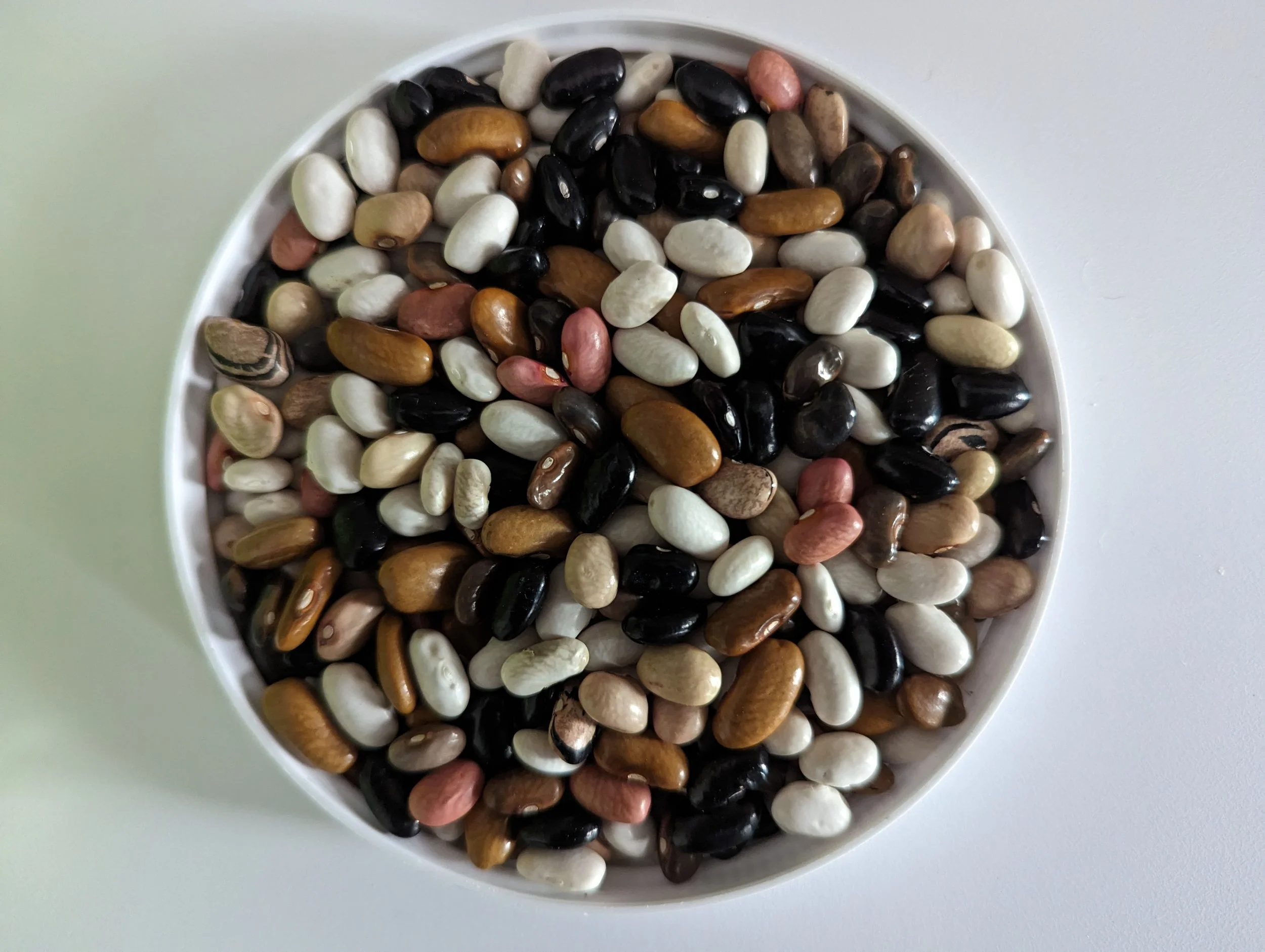
Magic Beans
Strengths
Visually striking dried beans
Good flavor across types
Strong resilience once established
Excellent learning tool for selection
Challenges
Uneven germination for some growers
Labor-intensive harvesting/shelling
Mixed opinions on productivity by color
Dylan Lunney, Puerto Rico: “Overall a great success, we harvested a great diversity of colors.”
Mehera Baugher, Kentucky: “We had a nearly complete failure… I think the lack of water set them back.”
Promiscuous Peas
Strengths
Extremely vigorous growth
Extended harvest window
Good flavor and cooking consistency
Strong pollinator attraction
Challenges
Staggered maturity complicates harvest
Labor intensity
Market education is needed for mixed types
Amy Wincek, Tennessee: “Nothing short of a highlight of our whole growing season.”
Pauline Copello, Florida: “Unusually low rainfall meant the peas had to compete with weeds in the bed.”
Maxima Squash Mix
Strengths
Very high yields
Visual appeal (decorative + culinary)
Strong vine vigor and pest tolerance
Excellent seed production per fruit
Challenges
Inconsistent flavor across fruits
Curing and storage losses
Difficult to market without named varieties
Large fruit size not ideal for all customers
Shelby Mandonado, North Carolina: “Getting to watch the different phenotypes show up in real time was like a scavenger hunt.”
Matt Wallace, North Carolina: “The unpredictability of what the squash will taste like makes it difficult to sell.”
Common Challenges Across All Crops
Pest pressure (deer, insects, rodents)
Weather unpredictability
Labor intensity during harvest and seed processing
Lack of early clarity on:
Selection criteria
Data tracking expectations
Seed return protocols
What Growers Want for 2026
Most frequent requests:
Clear selection rubrics (what to keep/cull/track)
Light structure: check-ins, benchmarks, or Zoom calls
Ability to access replacement seed after failures
Guidance on seed sharing vs. replanting
Promotional postcards/posters to help communicate the project
