 Image 1 of 3
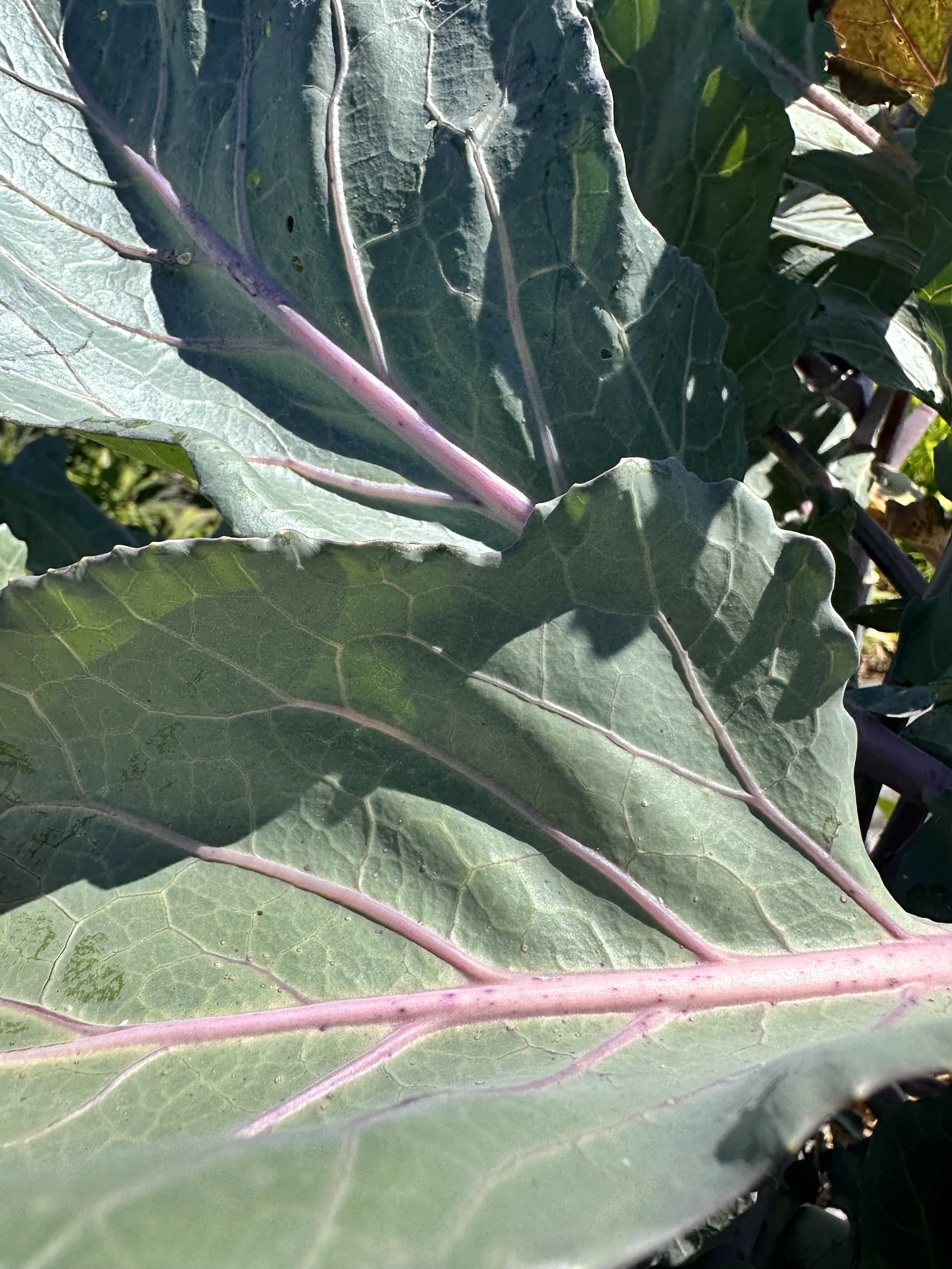 Image 2 of 3
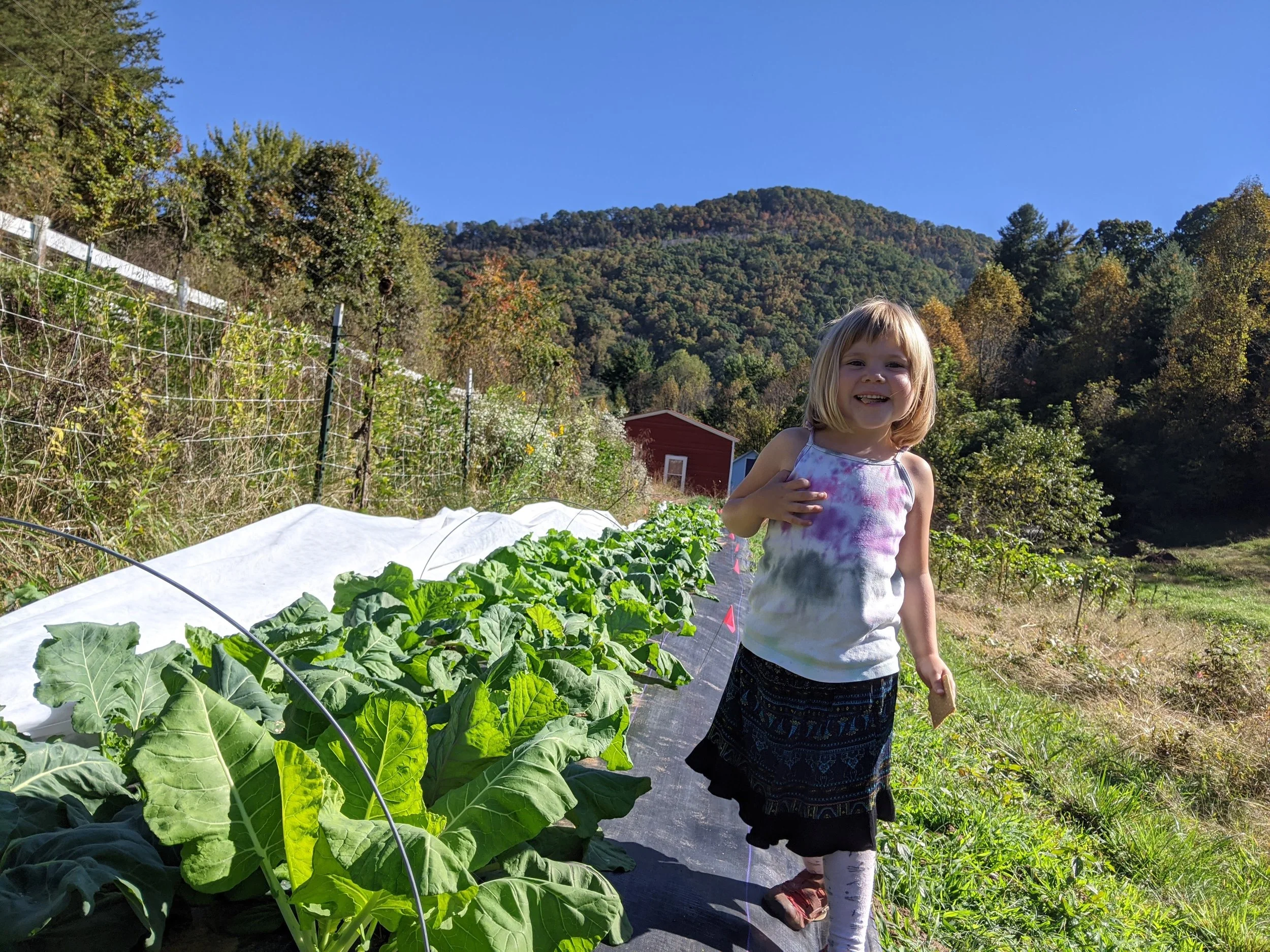 Image 3 of 3
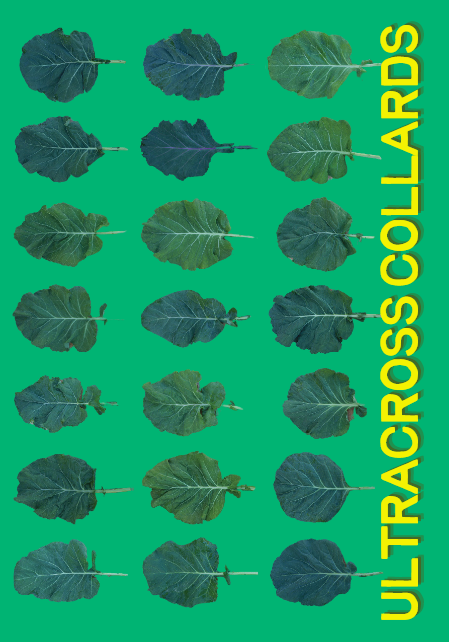
In 2020, Utopian Seed Project grew 21 collard varieties as part of a nationwide collard trial for The Heirloom Collard Project. Eight other sites each grew the same 20 varieties, and USP included a local favorite, 'Lottie', bringing the total to 21. The Heirloom Collard Project is working with a large collection of heirloom collard varieties collected across the southeast during a number of plant-collecting trips in the late 1990s and early 2000s. It’s a multi-organization collaboration with partners across the USA, guided by the leadership of our legendary friend and colleague Ira Wallace of Southern Exposure Seed Exchange — and also now "godmother" of the Ujamaa Cooperative Farming Alliance.
During the winter of 2020, collards at the USP grow-out in North Carolina (at Franny's Farm in Leicester, NC) survived lows of at least 8°F. Seeds were collected from the surviving plants in spring/summer 2021. Collards are obligate outcrossers, meaning they are incapable of self-pollinating. For saving seeds of pure varieties, this means large isolation distances. However, if your aim is large genetic diversity, then the collard plant is a willing collaborator. The 21 varieties were planted in a randomized two-block design, so it’s assured that there was a high degree of inter-variety cross-pollination. These seeds represent massive genetic diversity, firstly because the original heirloom collards are genetically diverse, and secondly because they’ve now cross-pollinated with each other.
Melony Edwards, a collard grower and Heirloom Collard Project participant, first described them as an "ultracross"— and while this is not a technical term, Chris and the team likewise think "Ultracross Collards" captures the spirit of these amazing plants, and have taken Melony's coinage on board for other varieties as well.
Included in the population are the following varieties: William Moore, Fulton Stroud, Tabitha Dykes, Fuzzy’s Cabbage Collard, E.B. Paul, Jernigan Yellow Cabbage Collard, Yellow Cabbage Collard, Georgia, White Cabbage Collard, Willis Collard Greens, Ole Timey Blue, Georgia Blue Stem, North Carolina Yellow, McCormack's Green Glaze, White Mountain Cabbage Collard, Green Glaze, Miss Annie Pearl Counselman, Brickhouse Old Collard, Lottie Collard, Vates, Georgia Southern.
This collection of seeds will be highly dynamic and adaptative! It’ll be lots of fun, and the plants will adapt to you and your environment! We encourage you to select and save seeds based on your own needs and wants — but even just saving seeds from the best plants will begin the process of regional adaptation, and preserving diversity will support the climate resilience of this crop.
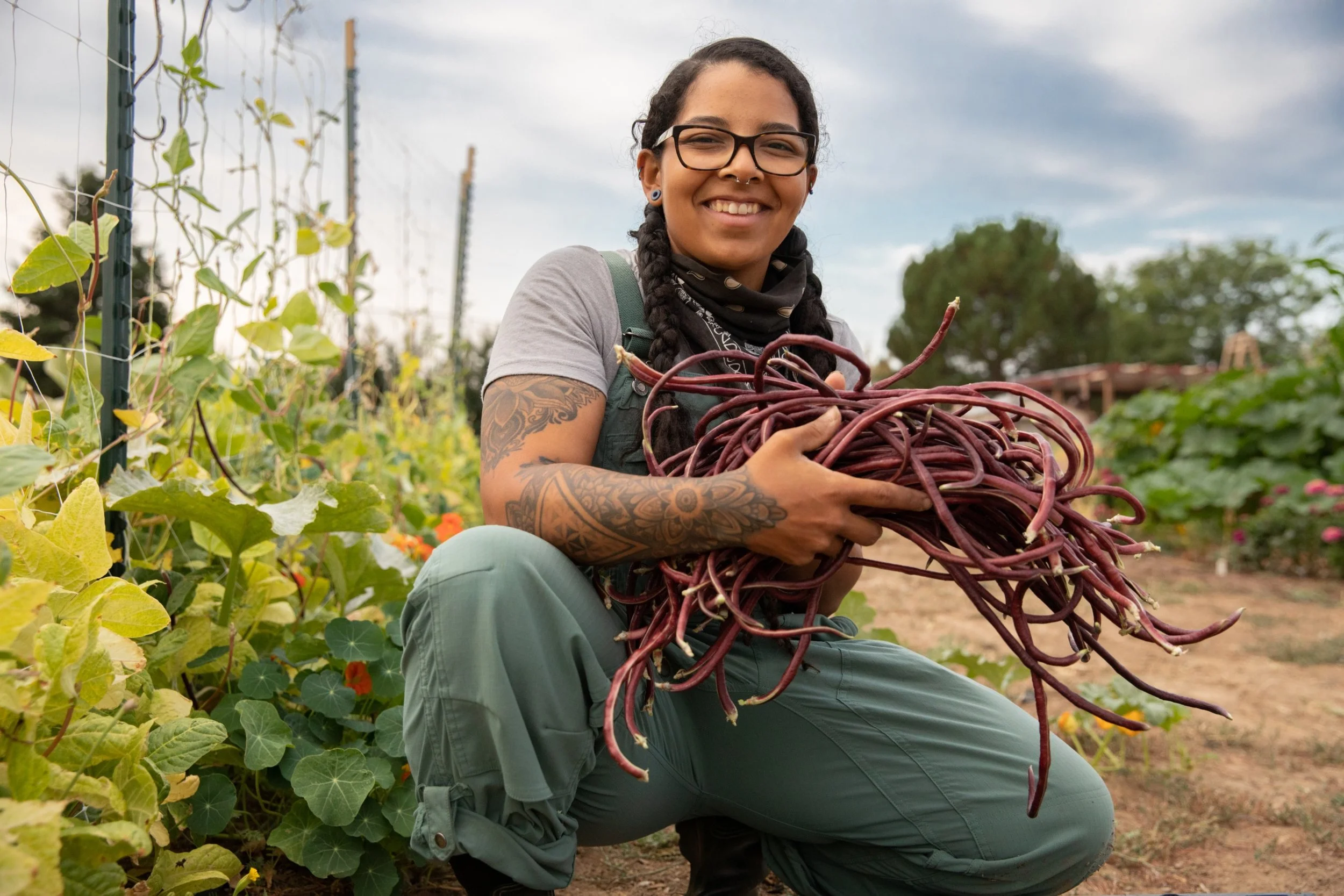
Shelby Mandonado, Water's Edge Farmstead, Asheville, NC
Shelby Mandonado (Johnson) is a farmer and forager with a passion for deeply collaborative models of community engagement based around our shared love of the land. With deep family roots in Atlanta, Georgia, and Asheville, North Carolina, Shelby is dedicated to uplifting and preserving the unique culture of the South. Shelby’s experiences as a farmer have imparted to her an understanding and honor of the intimate webs that hold all of us – whether we be human, fungi, plant, insect, animal, or otherwise – together. Believing that the only future we can guarantee is the one we mutually create, Shelby is dedicated to supporting her community in meaningful ways through the lens of regenerative agriculture.