 Image 1 of 3
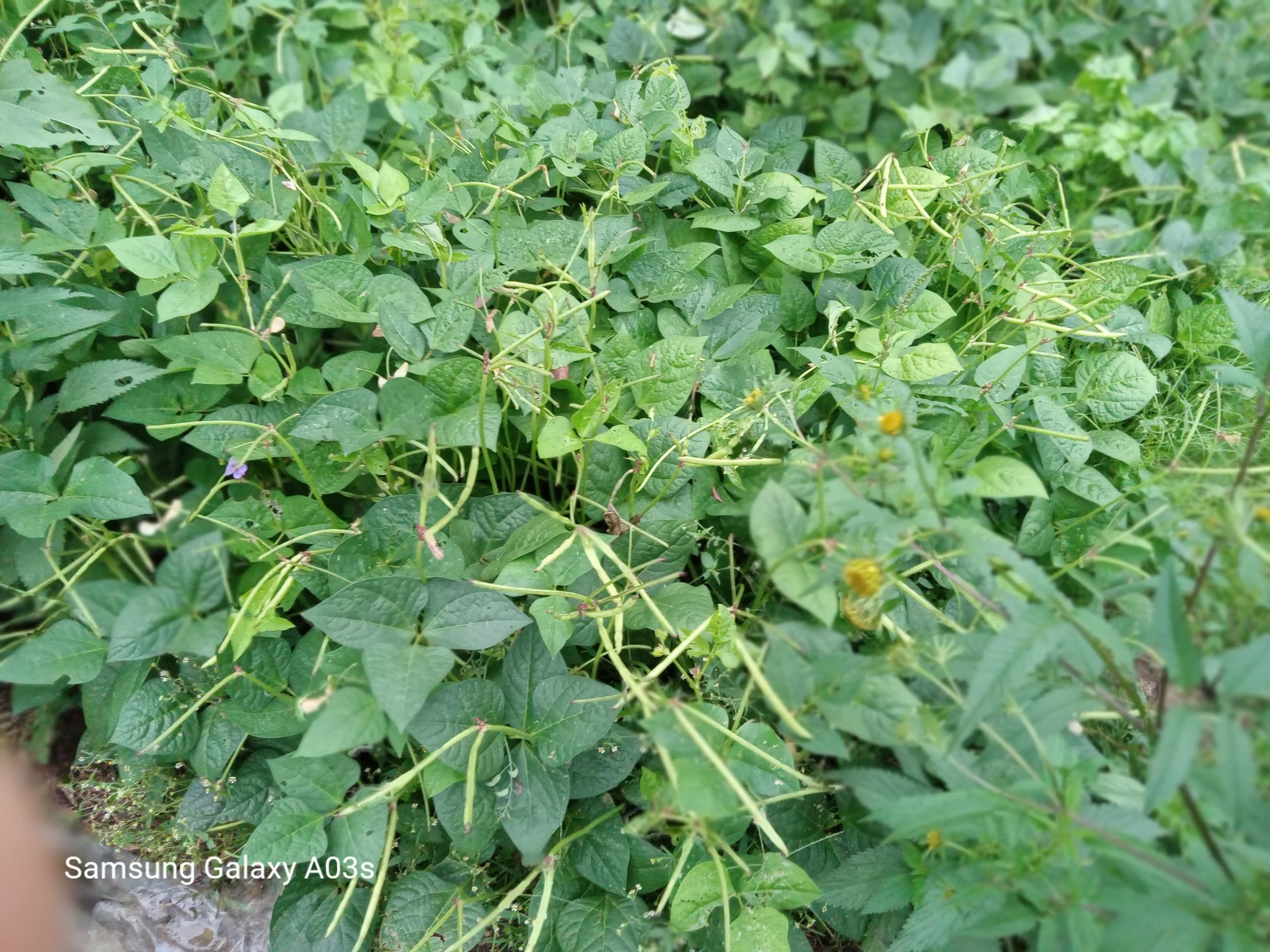 Image 2 of 3
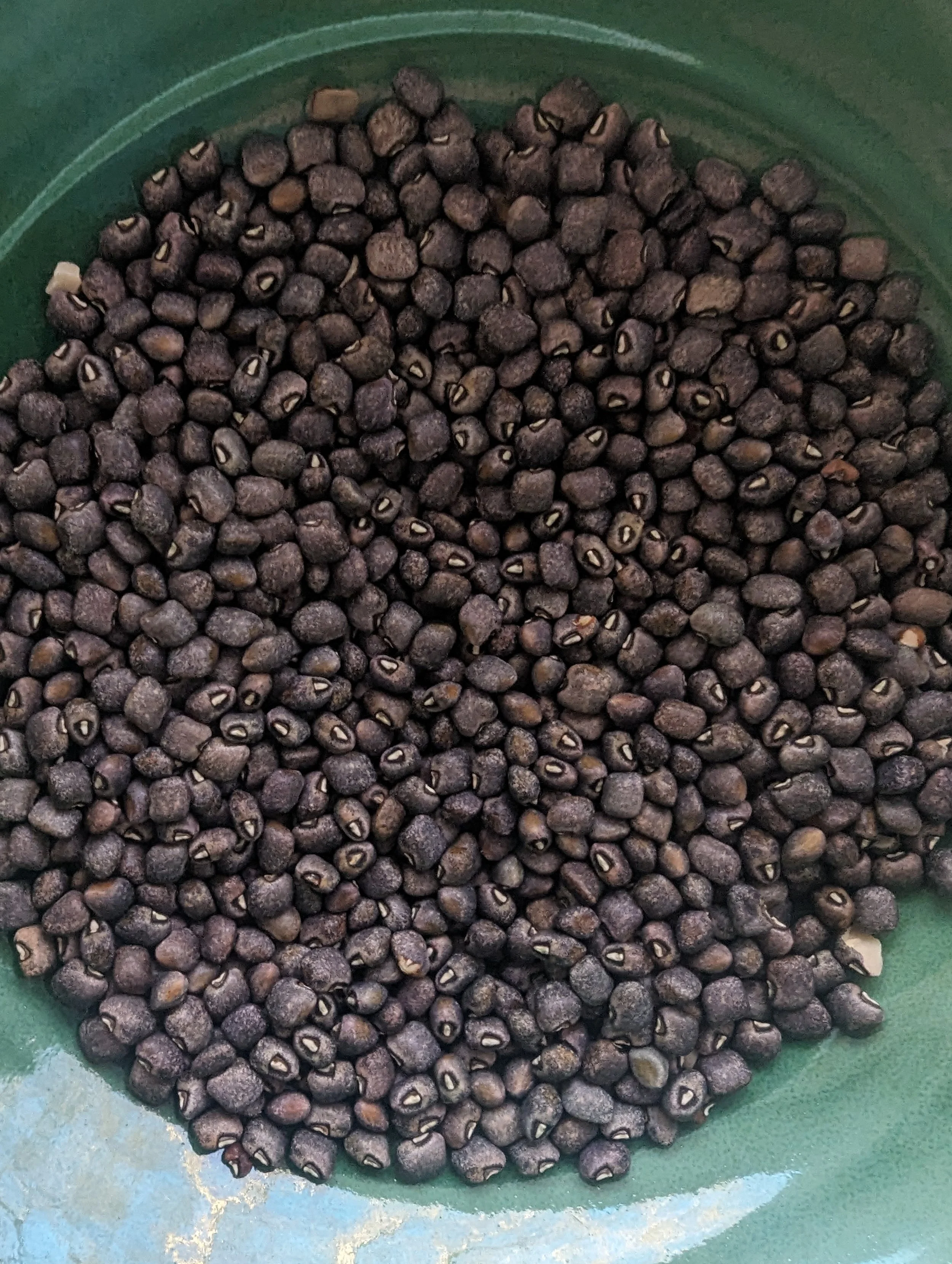 Image 3 of 3
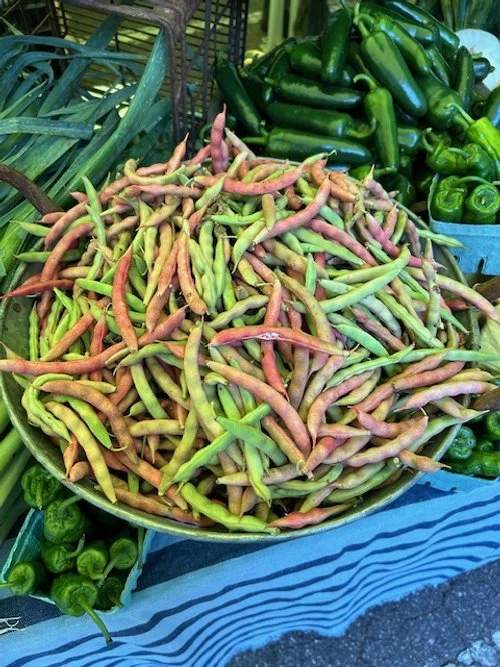
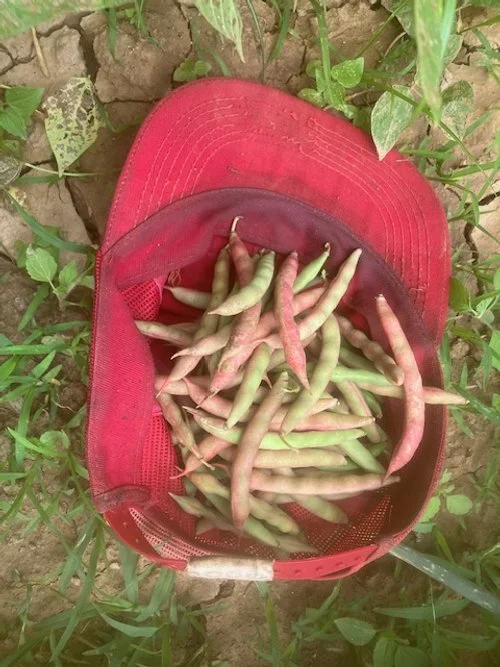
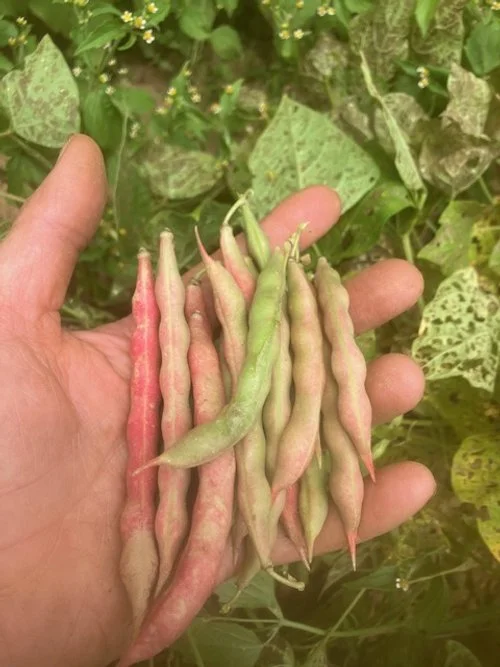
Cowpeas (Vigna unguiculata), aka Southern Peas, are a warm-season crop originating in Africa and are well-adapted to the hot and humid climate of the Southeastern U.S. While there is no shortage of cowpea varieties in the Southeast, the Blue Goose is special because it is a vigorous, high-yielding crop, is relatively well-behaved, having a large semi-bush habit; it cooks up quickly and tastes great; and the seed has a wonderfully unique blue-gray color.
Directly sow these seeds in a location with full sun after all danger of frost has passed. They may benefit from staking, but do not require a trellis. Dry peas will be ready in 100-130 days.
Mark Dempsy acquired Blue Goose from the USDA’s seed bank while trialing about 30 cowpeas and close relatives in Swannanoa, NC. While there is no shortage of cowpea varieties in the Southeast, the Blue Goose really grabbed his attention and checked all the boxes:
It is a vigorous, high-yielding crop
It is relatively well-behaved, having a large semi-bush habit
It cooks up quickly and tastes great
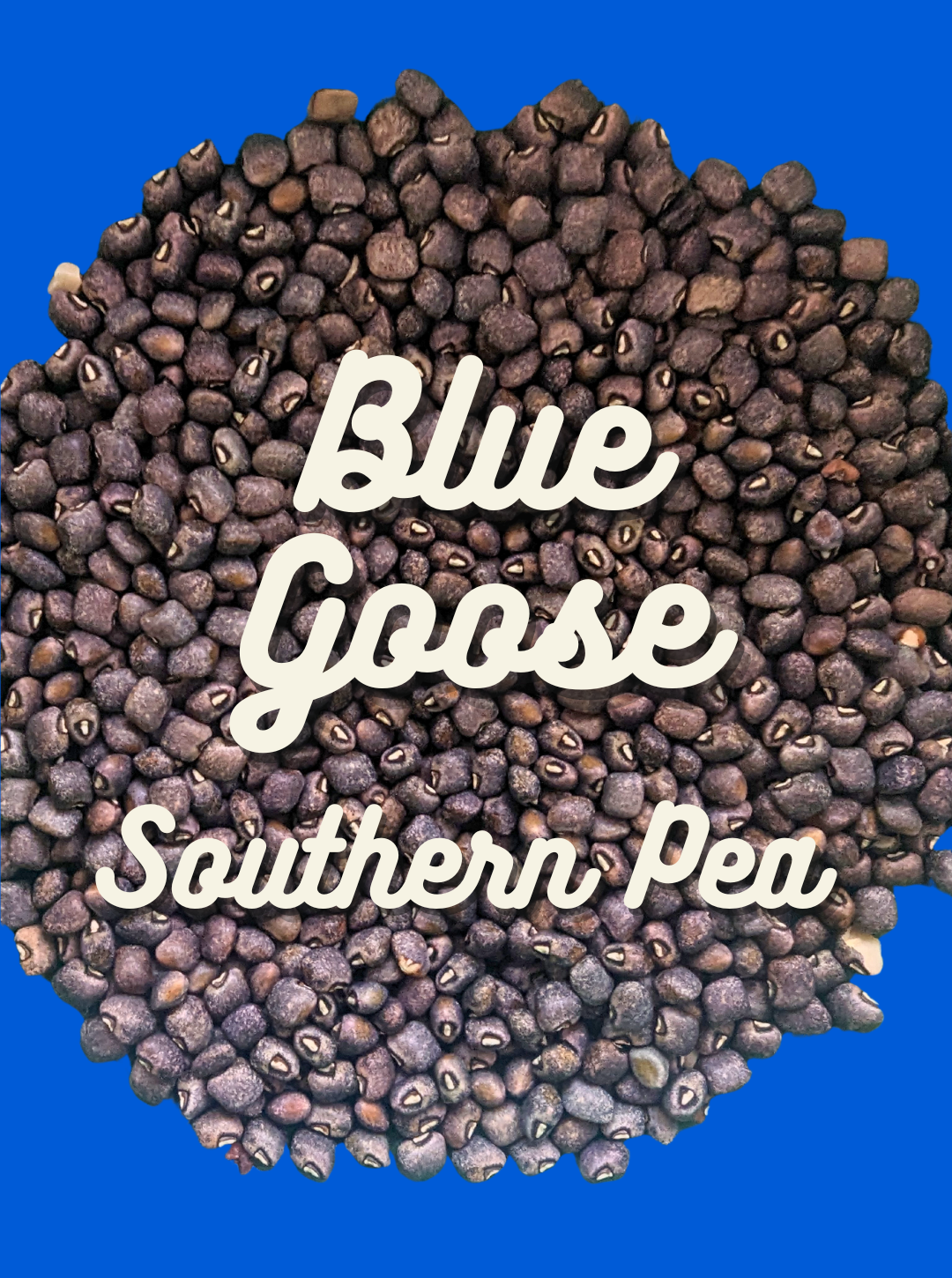
The seed has a wonderfully unique blue-gray color.
In Mark’s experience growing Blue Goose over the last 7 years, it has averaged about 15 lbs seed per 100 row-ft.
Note: in 2024, Mark Dempsey has been studying at Clemson for a PhD in plant breeding, so Pat Battle grew a crop of Blue Goose for the Appalachian Seed Growers Collective.