 Image 1 of 3
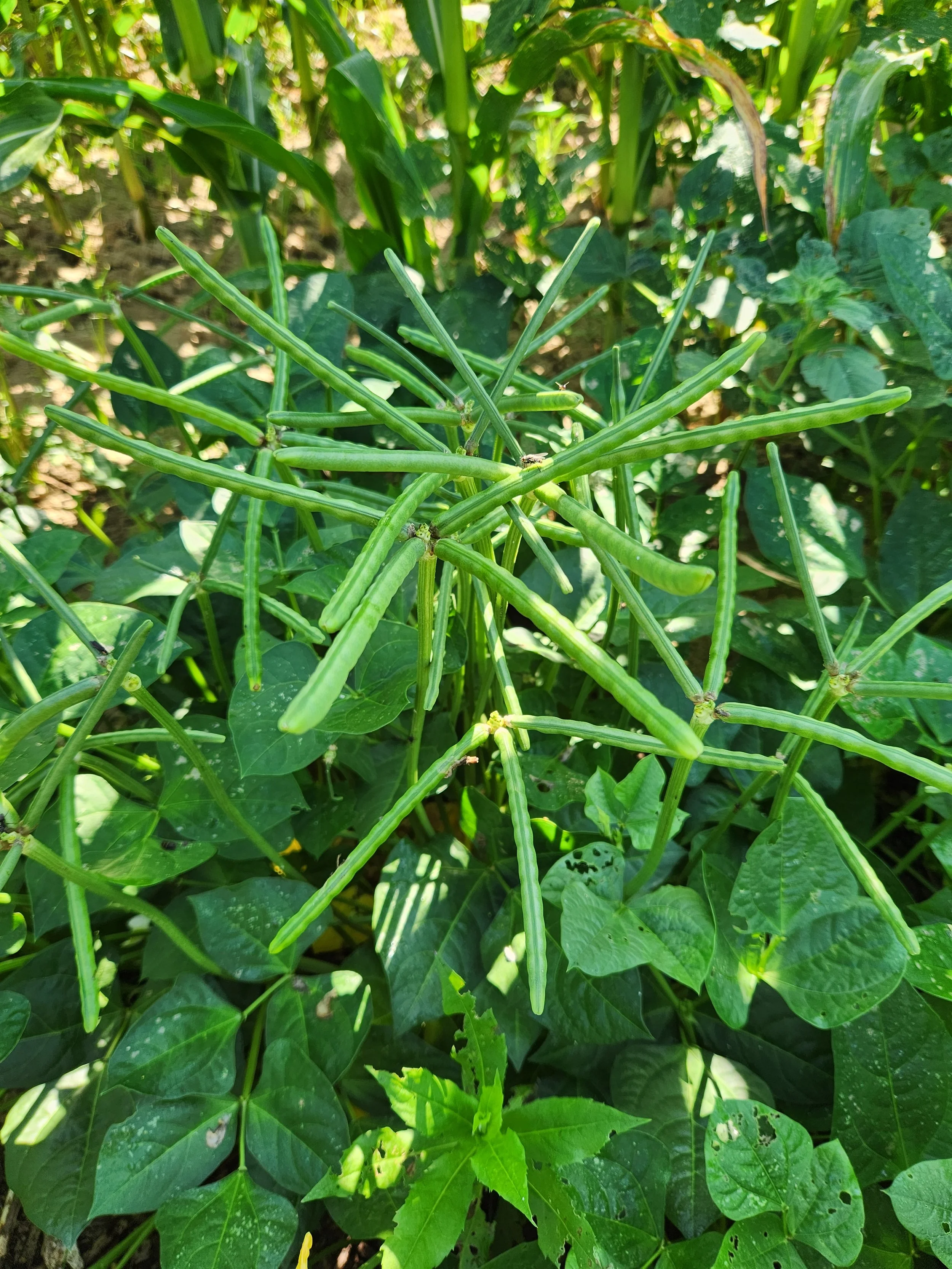 Image 2 of 3
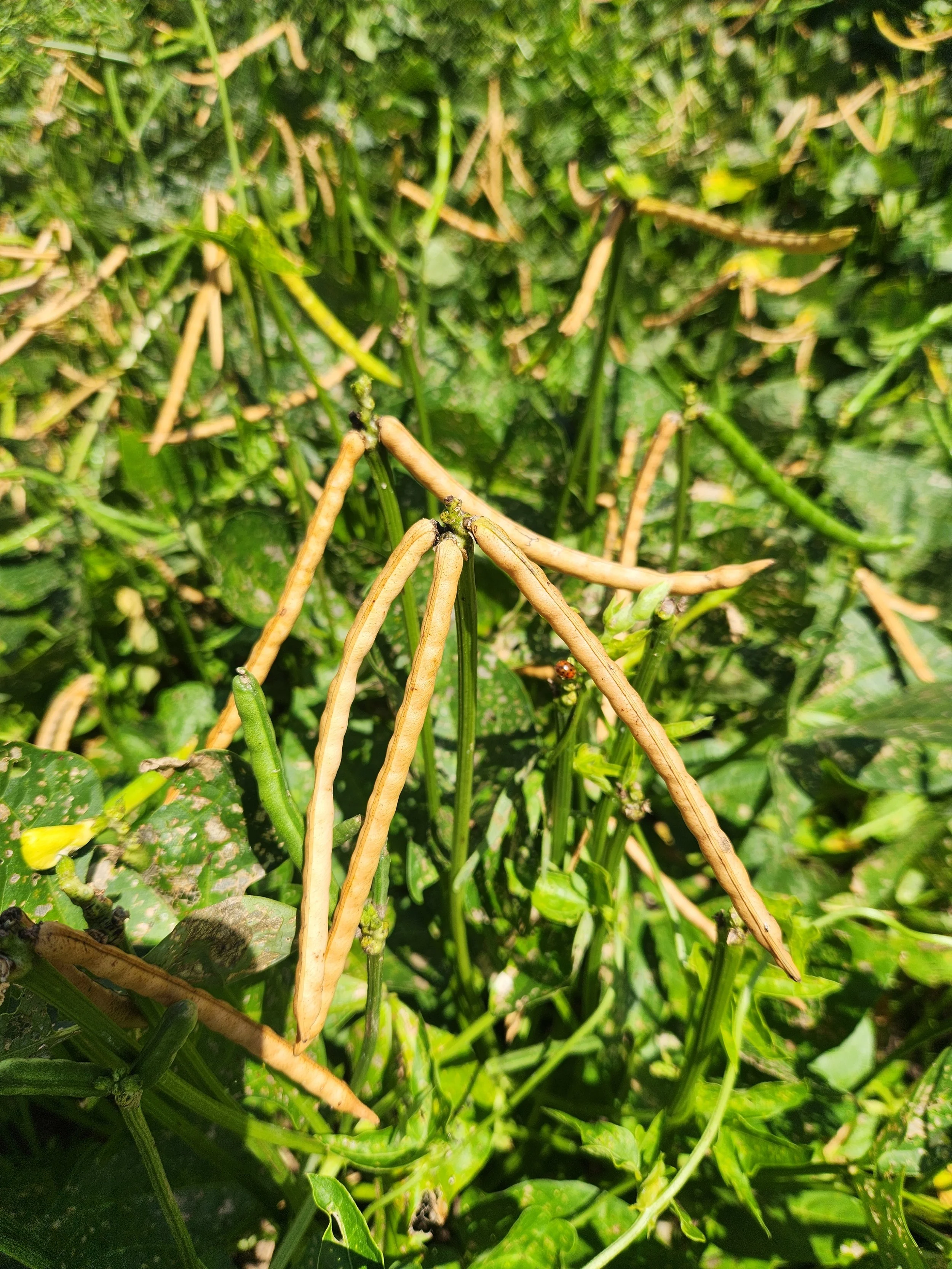 Image 3 of 3
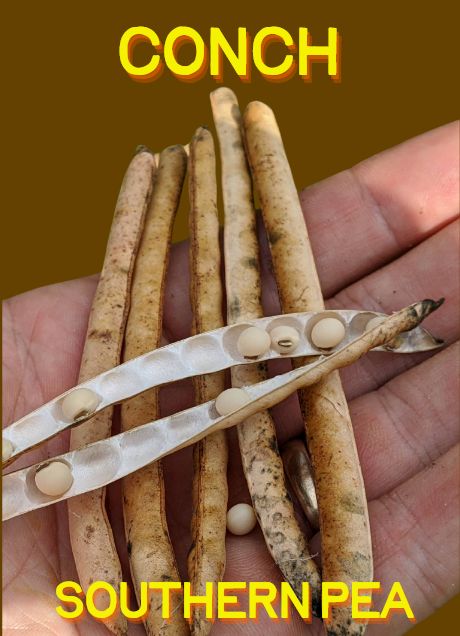
Small, tender white seeds that cook up nice and creamy, and was a taste test favorite in USP’s 2019 trials! 4-6 in. Light tan pods, 2-4 pods/ cluster. There’s different strains of this pea – this one has shorter vines (~5 ft long) and smaller seeds than other strains.
From the Slow Food Ark of Taste:
“Cowpeas (Vigna unguiculata) were brought to what is now the Southern United States from West Africa in the 1600s. This crop was popular because of its heat tolerance, resistance to drought, suitability as food for both people and livestock, and ability to thrive with little care. Among the many different varieties of cowpea—or Southern pea, as this species is known in the US—that were developed in the American South over the following centuries is the conch pea, which first appeared in the St. John’s River region of north Florida in the late 19th century; it probably arrived here from the West Indies. The conch pea is a type of cream pea, similar to the so-called “lady peas”; all of these varieties are white with a pale eye, and prized for their creamy texture and delicate flavor when cooked. The conch pea in particular is known for its wholesome, pleasant flavor and ease of cooking (it becomes tender in about half the time required for other types of beans). Jacksonville, Florida, was the first center of seed production for the conch pea, and from here it spread throughout the Gulf South. It is thought to be an ancestor of the Texas cream pea.
The conch pea has a vigorous, vining habit: When planted at intervals of 3 meters, the vines and prolific leaves quickly meet up, covering the soil and preventing the growth of weeds, and also promoting the development of a healthy, moist humus layer. These traits made it a good co-cropping partner for corn and sorghum. The peas themselves are relatively small, and grow in narrow green pods about 15 centimeters long. Conch peas are usually dried, but the fresh pods can also be consumed, like green beans. Livestock delight in feeding on the entire plant, and the conch pea was an important forage crop, with field tests in 1892 indicating that this variety yielded up to 13 tons of green forage per acre (almost 30 metric tonnes per hectare). Hogs used to be let out onto fields of conch peas to fatten before slaughter.
Over time, vining peas and beans were abandoned in favor of bushy varieties, which are more suited to mechanized harvest techniques that became widespread in the 20th century. The vining conch pea endured, though primarily as a source of forage for hogs. However, Floridians impressed with the extraordinary culinary quality of the conch pea undertook efforts to breed a non-vining form that would be easier to pick. This more compact form was first cold in 1907 by Crenshaw Brothers Seed Company in Tampa. Today, both vining and bush-type conch peas exist, but neither is widely produced.”
Matt Wallace, Rabbit Den Farm, Marshall, NC
Matt has been seed saving and organizing seed swaps in WNC for 15+ years. He is involved with a group that stewards 3 seed libraries in Madison County and is working towards creating a countywide (or perhaps WNC-wide) seed savers network to coordinate seed saving and sharing efforts for community use. He also grows seeds commercially and runs a plant nursery. Located in Marshall, North Carolina, Rabbit Den Farm is an ecologically driven plant nursery and mixed vegetable farm with a focus on fall storage crops and heirloom corn.