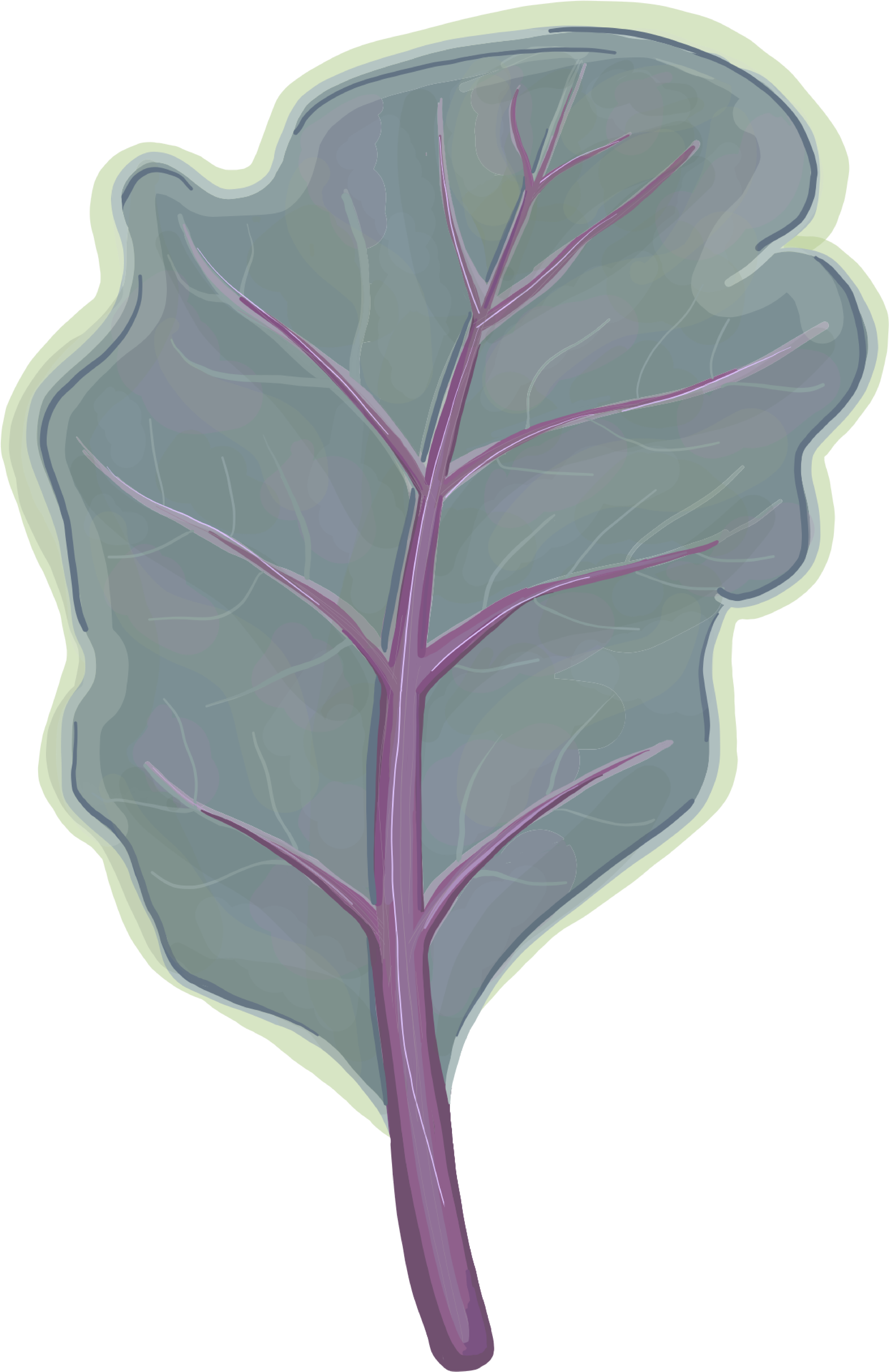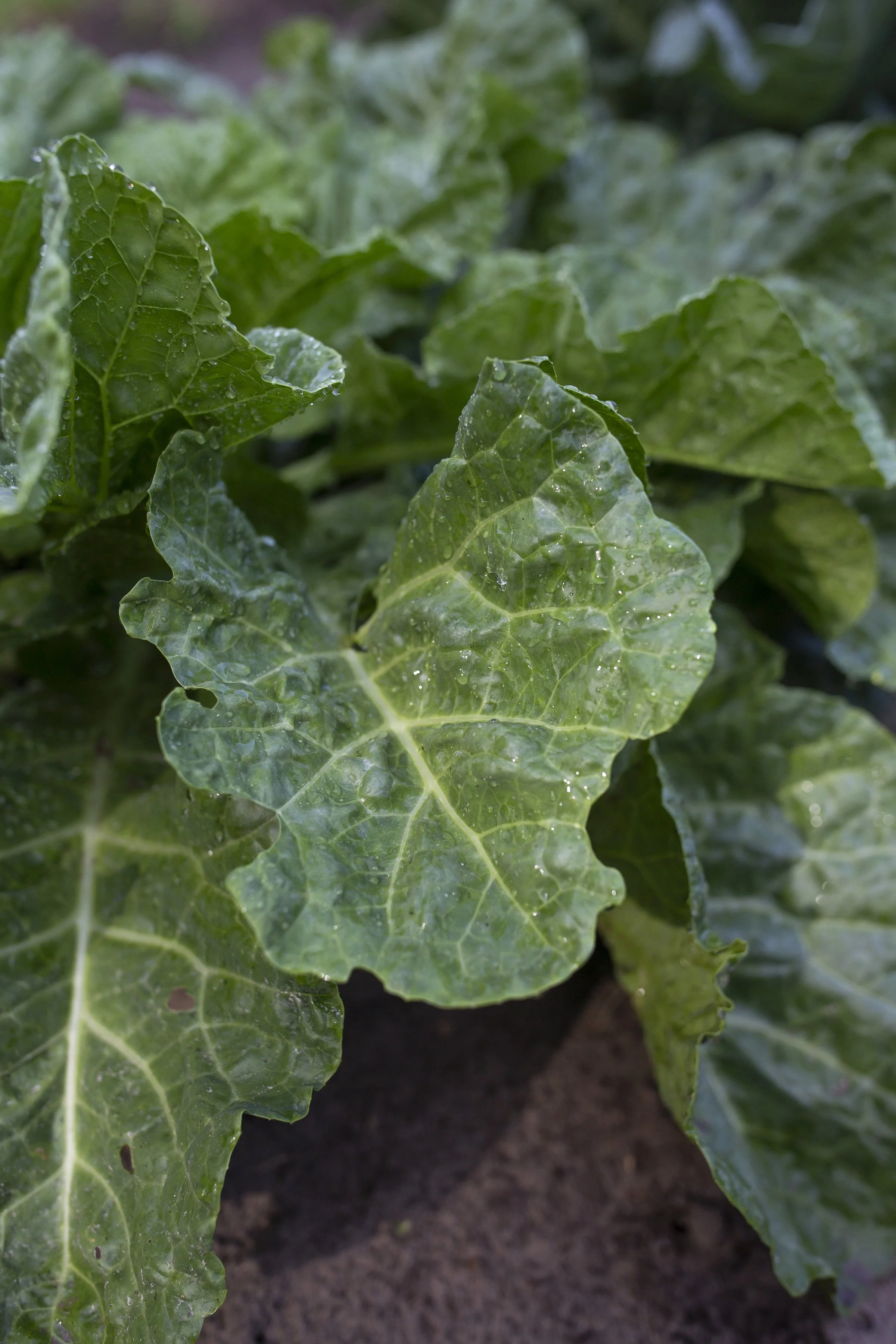
Collards

Fun Facts
Plant Family: Brassicaceae
Botanical Name: Brassica oleracea subsp. viridis
Botanical Origin: Mediterranean (coastal regions)
Common Names: Collards and Collard Greens (United States), Couve (Brazil and Portugal), Couve Manteiga (Brazil), Sukuma Wiki (East Africa), and Tree Collards (perennial forms grown in some regions).
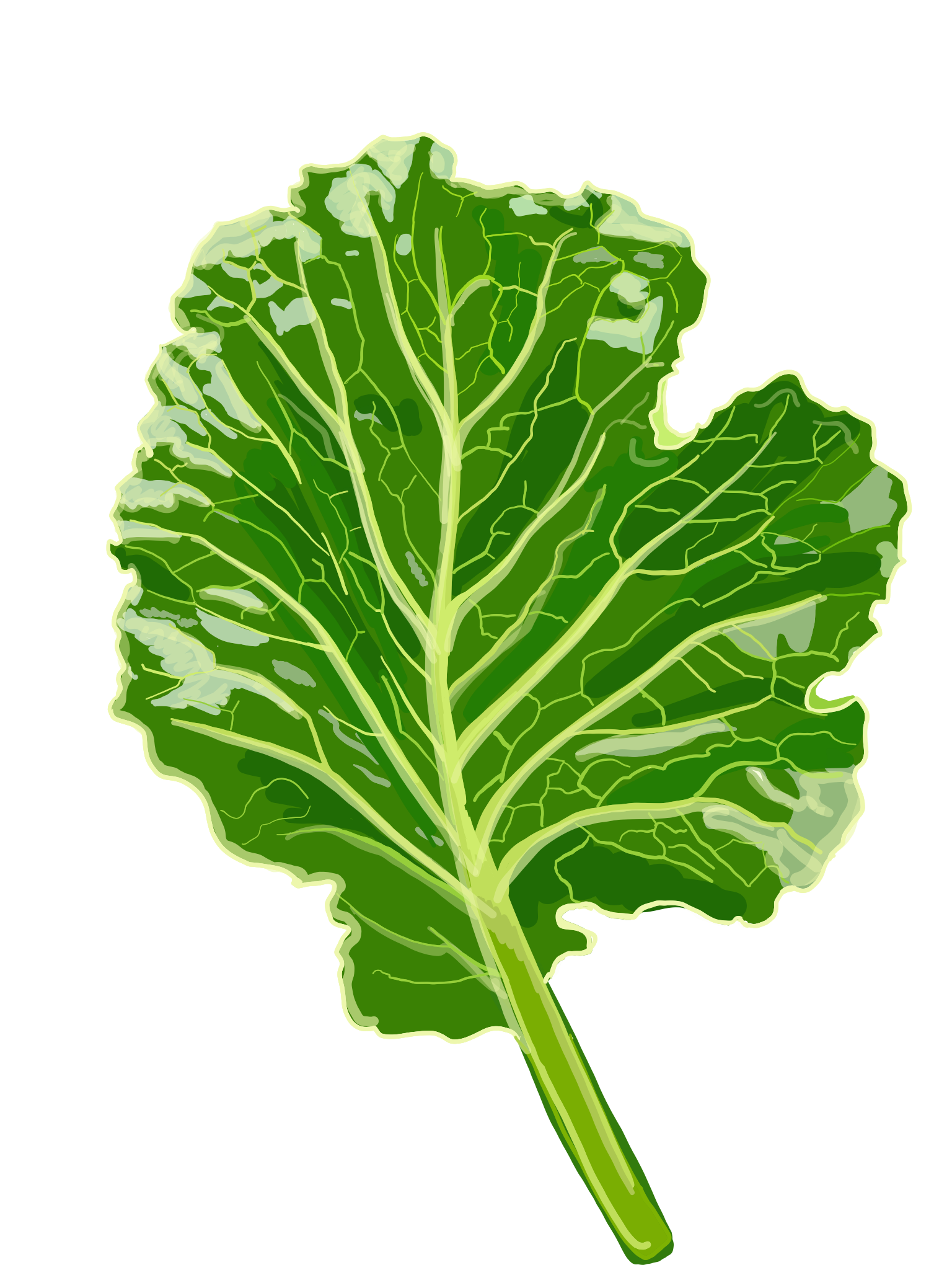
Edible Parts: Collard greens are the primary crop, but the stems have many uses, and the seeds can be used like mustard seeds!

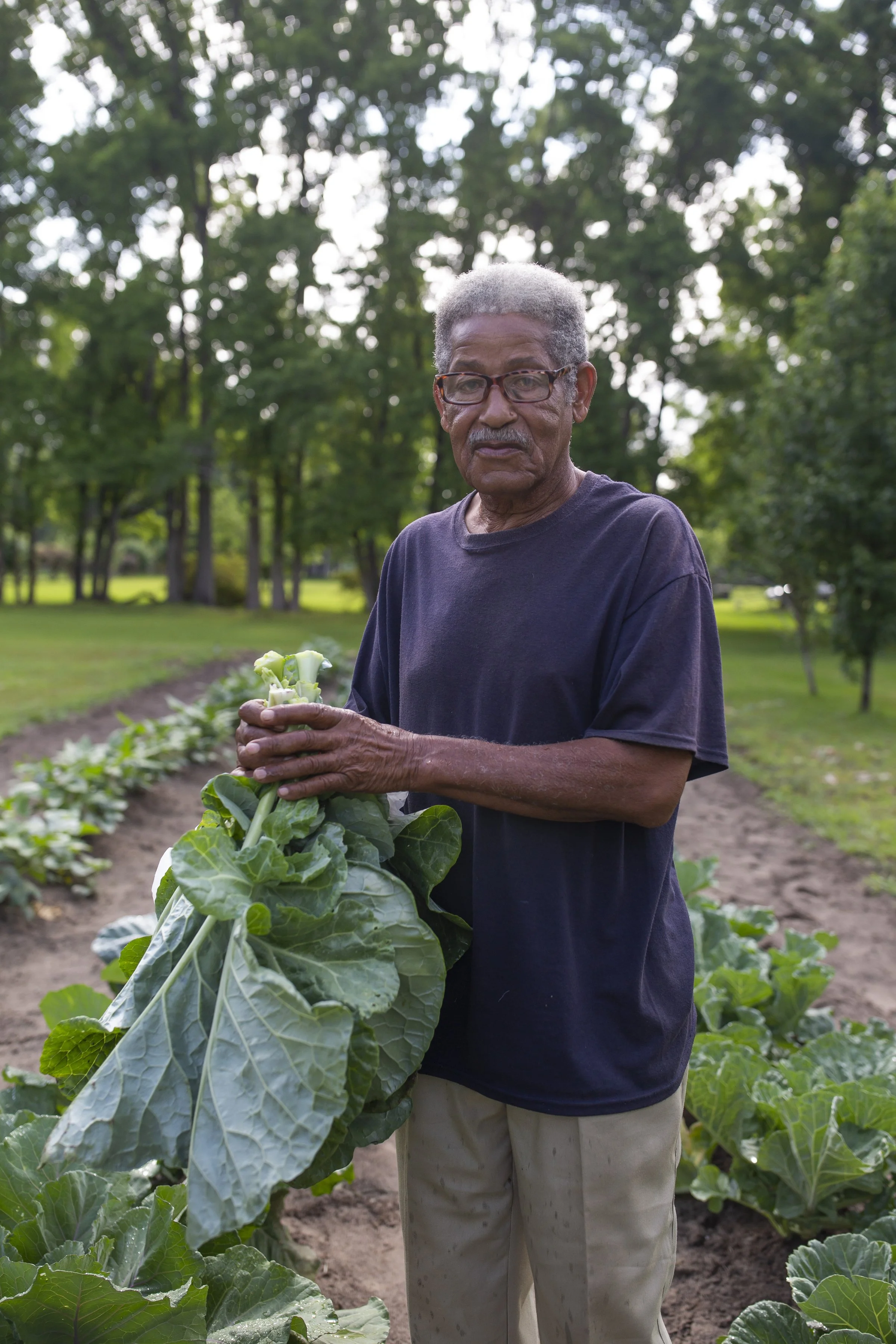
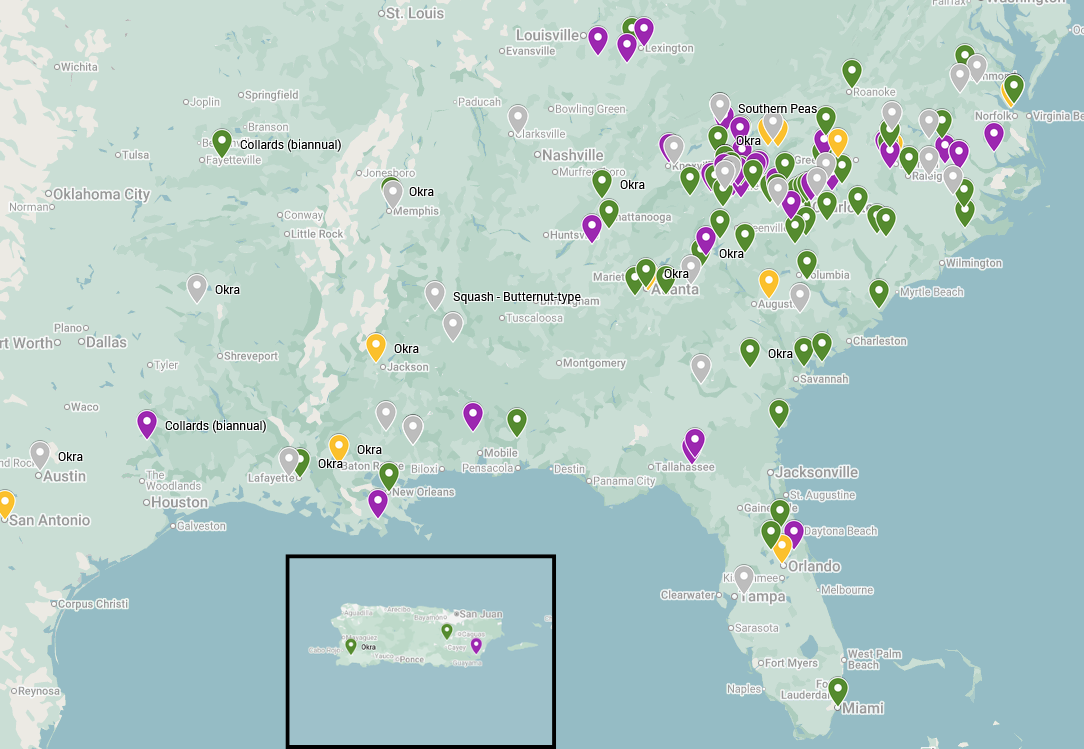
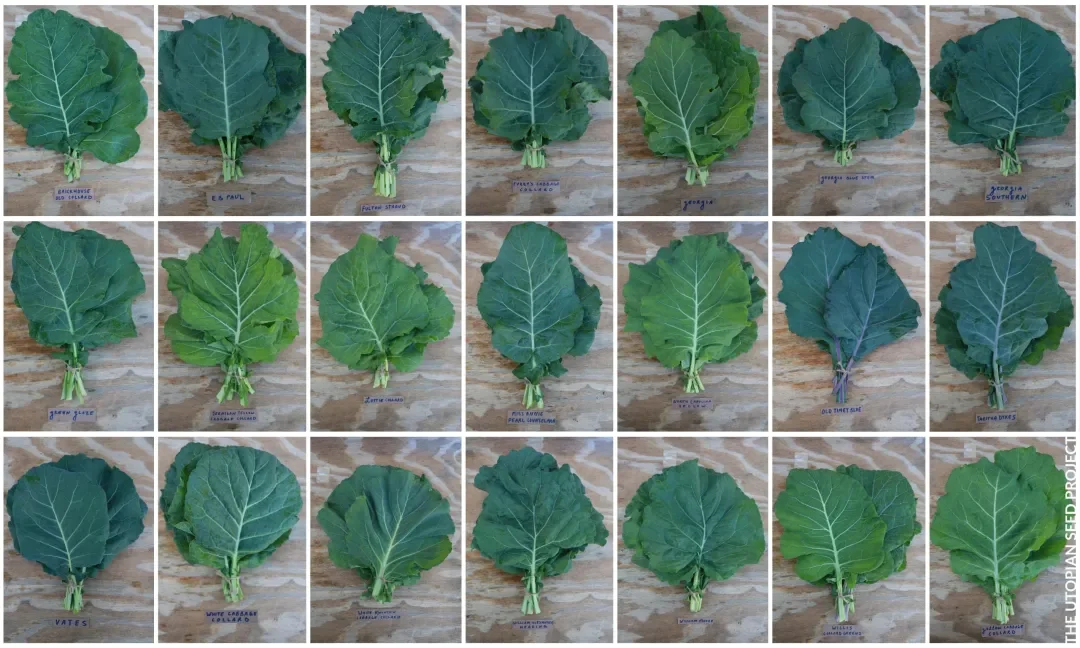
Collards have shared the fate of so many vegetables, in that only one or two varieties are widely grown today. USP is a key collaborator of The Heirloom Collard Project, a collaborative organization reviving a diverse collection of heirloom collards of around 90 varieties collected across the south. The varieties include descriptive names like Jernigan Yellow Cabbage Collards, William Moore Heading Collards, Crinkly Leaf Collard, Alabama Blue and Nancy Malone Wheat Purple. A large part of this work includes reviving the culture and culinary traditions of collards. We celebrate collard greens cooked with ham hock or turkey neck, cornbread and potlikker, and collard kraut. But collards are also a versatile green in the kitchen with lots of contemporary applications.
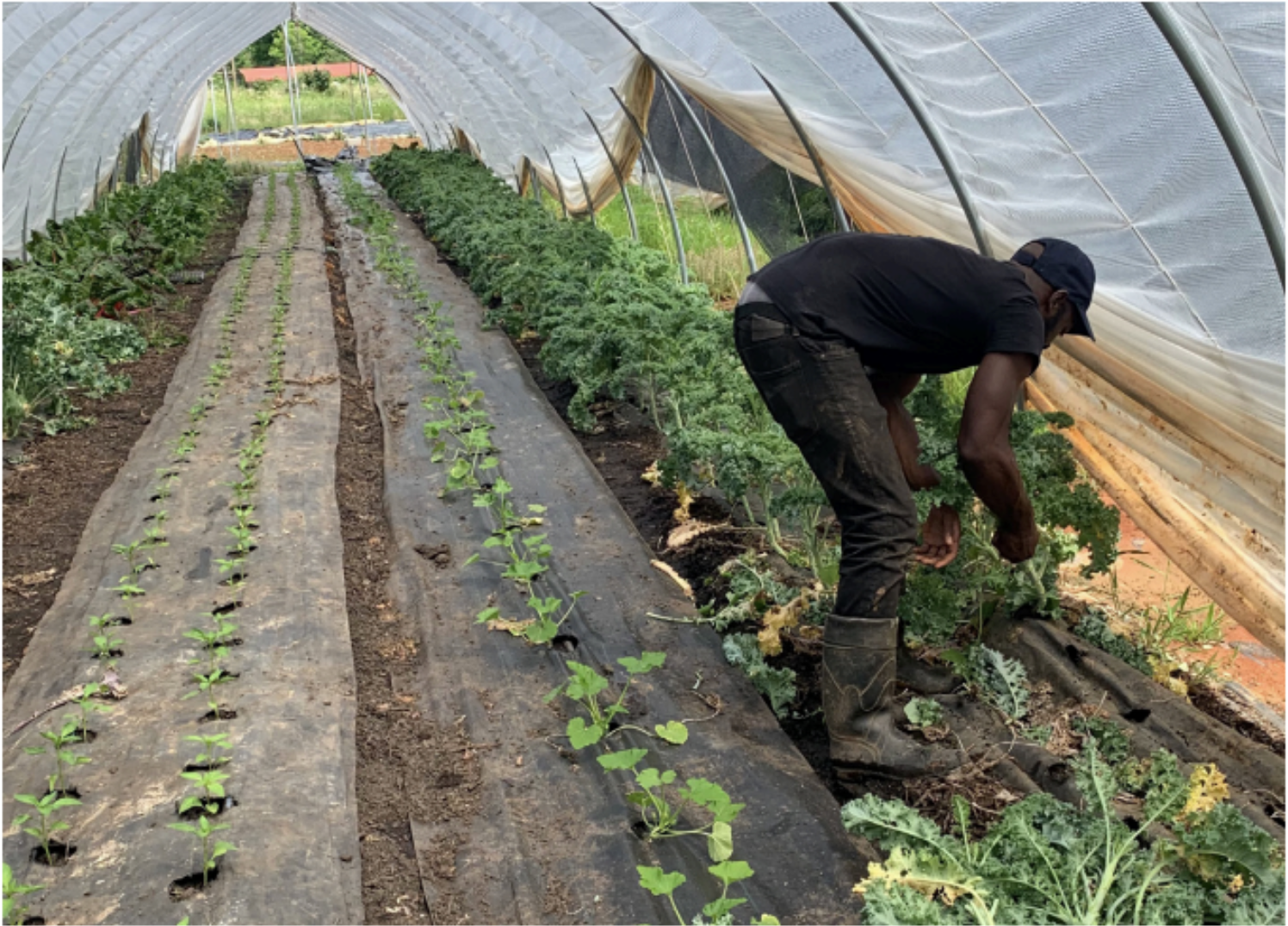
In addition, USP is working with these heirloom varieties to create resilient and adaptive populations.